Team

Black Food Fund Leadership Team

Christopher Rachal

Director of Reparative Capital

Christopher Rachal

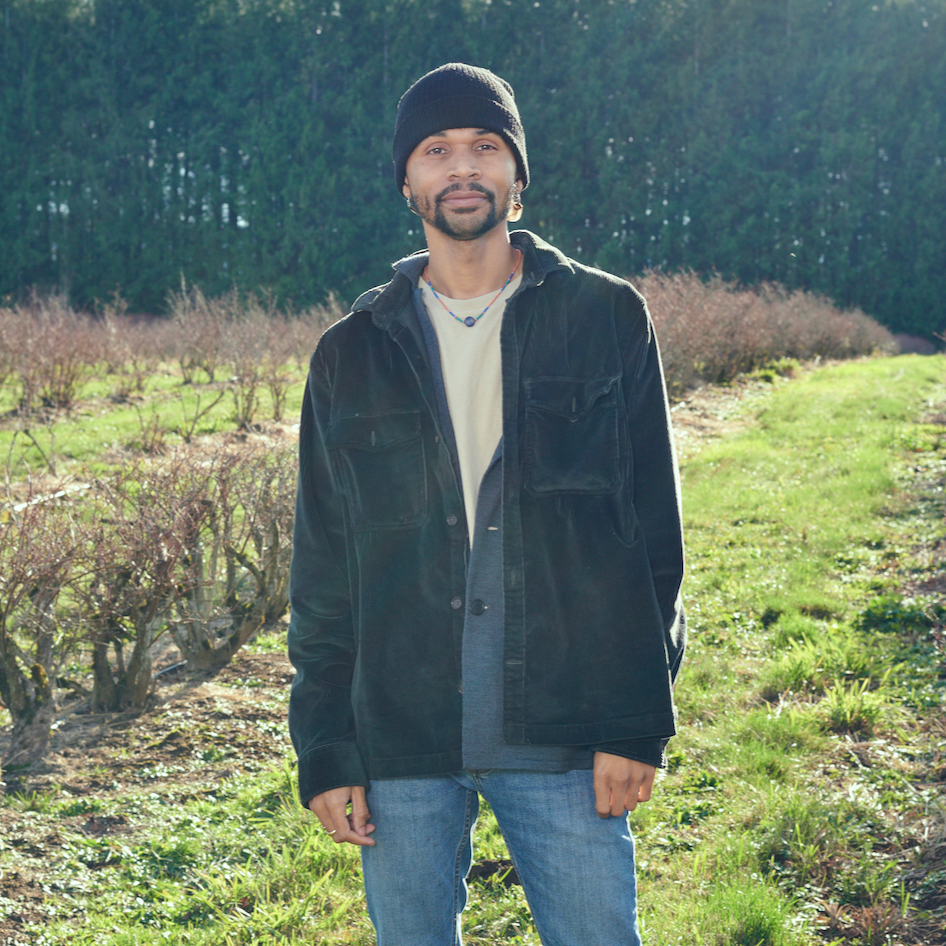
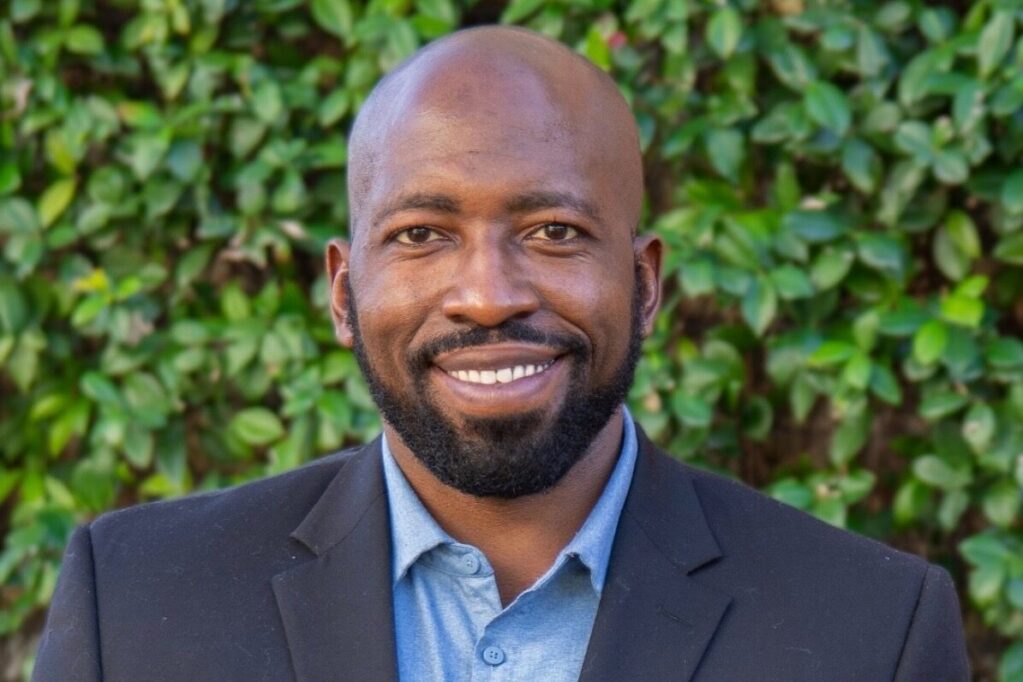
Christopher Rachal is Director of Reparative Capital at Black Food Fund, where he leads grantmaking that channels capital to Black farmers and food entrepreneurs through a reparative framework designed to honor and redress the harm Black agrarians have endured. His work is rooted in inheritance: his lineage traces to the free people of color community of Cane River, Louisiana, founded by his ancestor Marie Thérèse dite Coincoin — a farmer, freedwoman, and matriarch who, alongside free Native American and Indigenous African peoples from West and Central Africa, built a resilient ecosystem of Black and brown agrarians. Holding an MBA in Sustainable Solutions from Presidio Graduate School, Christopher carries that legacy forward with a conviction that philanthropy must do more than give — it must repair.
Arlo Bush

Director of Community Investment & Strategy

Arlo Bush

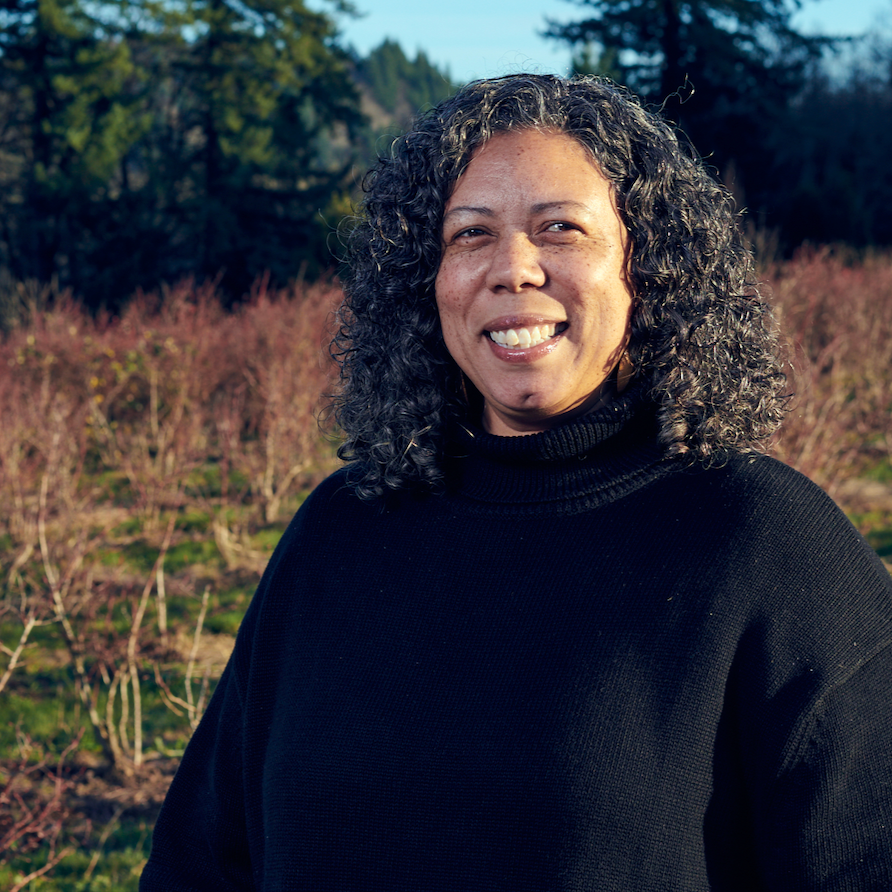
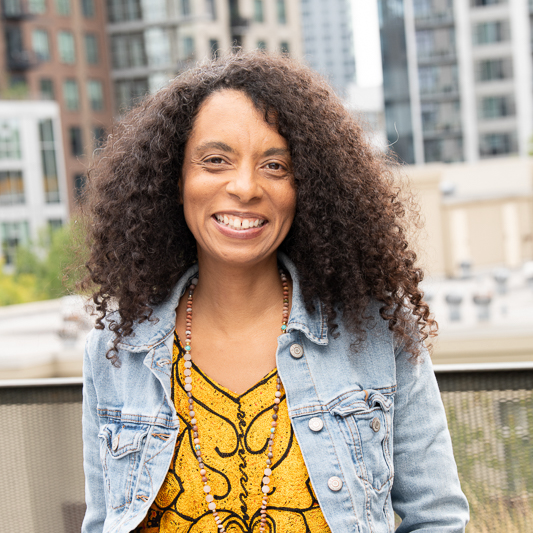
Arlo Bush is the Director of Community Investment and Strategy at Black Food Fund, where he leads efforts to move resources, build partnerships, and advance strategies that strengthen Black farmers and land stewards to create pathways toward reparative justice. With more than two decades of experience across development, strategy, sales, and marketing, Arlo brings a human-centered and values-driven approach to nonprofit leadership. His work is grounded in deep equity, justice, healing, appreciative inquiry, and moving at the speed of trust. At the heart of his leadership is a belief in people—their wisdom, their dreams, and their capacity to create meaningful change. Arlo is a husband and father of two who enjoys time with family and friends, biking, exploring nature, cooking, and traveling to experience different cultures and ways of being.

Jamese Kwele

Co-Founder

Jamese Kwele

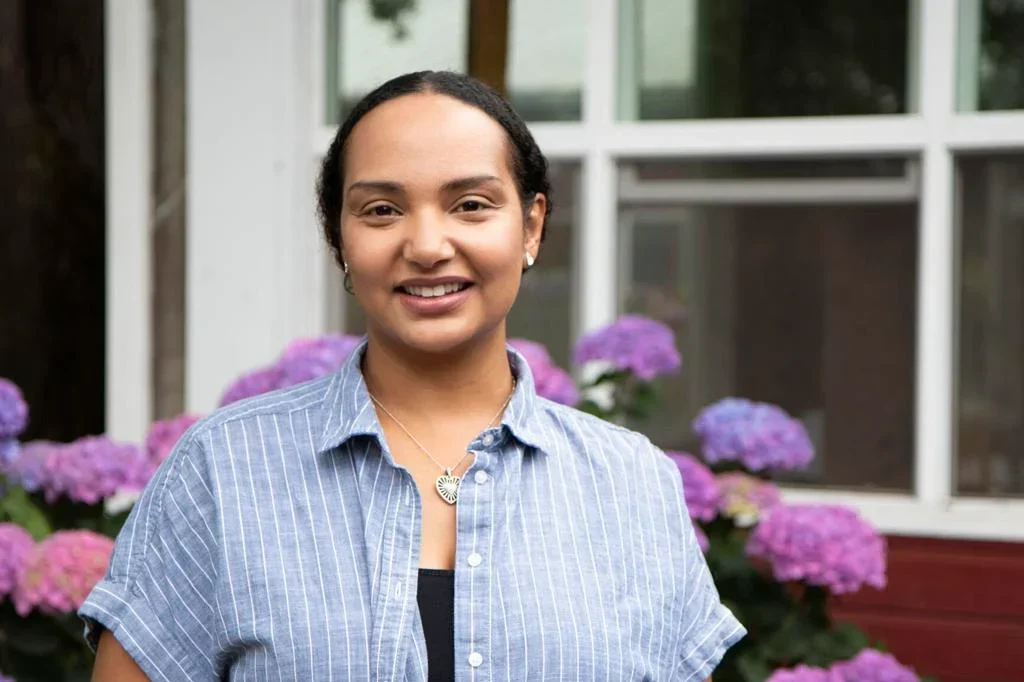
Jamese Kwele is an ecosystem builder, constellation weaver, and a mama of three with over 20 years of experience facilitating impact in communities. In addition to her role as Co-Founder of Black Food Fund, Jamese is a board member for the Black Oregon Land Trust and an alumna of the Just Economy Institute, a network of 200+ financial activists working to shift capital and power in service of a more just economy. Jamese holds deep gratitude for the love, wisdom, and fortitude of ancestors, comrades, and communities who make her work both joyful and possible. She is fueled by authentic connection, subversive humor, radical candor, and expansive joy.

Shantae Johnson

Co-Founder

Shantae Johnson

Shantae serves as Executive Director of Feed'em Freedom Foundation. Her grandmothers are her muses and inspiration for how to grow and give back to the community and interact with the land. She is a cultural bridge-builder with strengths in community organizing, project management, and program creation with a public health lens. She also serves on the Oregon Board of Agriculture, appointed by former Governor, Kate Brown, where she sits on the advisory committee to represent small-scale producers. Shantae is also a co-founder and Farmer at Mudbone Grown, a Black-owned farm enterprise that promotes inter-generational community-based farming and is on the leadership team of the Black Oregon Land Trust. She is a parent, healer, chef, and referee to six beautiful brilliant children.

Tiffany Monroe

Co-Founder

Tiffany Monroe

Tiffany is a fifth-generation farmer with a bachelor's degree in Crop and Soil Science with a minor in Horticulture and a master's degree in Community and Leadership Development with an emphasis in Agricultural Education. Ms. Monroe has worked as the first African American Female Agriculture and Natural Resources Extension Agent in Kentucky history and for the Kentucky Department of Agriculture in the Office of Marketing and Product Promotion. Now home in Oregon, Ms. Monroe farms with her husband and engages in agricultural advocacy work across the country and locally. Ms. Monroe serves as co-chair of the state's Racial Justice Council and serves as co-chair of the Environmental Equity Committee.

Archival photograph of Black agrarian history